Optimal Seasons for Concrete Installations
Concrete installations are most effectively completed during specific seasons to ensure optimal curing and durability. Weather conditions, including temperature and humidity, significantly influence the quality and longevity of concrete projects. Understanding the ideal timing can help prevent issues such as cracking, scaling, or delayed setting.
Spring offers moderate temperatures and lower precipitation, making it suitable for concrete work. Proper planning during this season can lead to faster curing times and durable results.
While summer provides warm weather, high temperatures and intense sunlight can cause rapid drying. Proper curing methods are essential to prevent surface cracking.
Fall provides cooler temperatures and less rainfall, creating favorable conditions for concrete installation and curing without the risks associated with extreme heat or cold.
Cold temperatures and freezing conditions can hinder proper curing and increase the risk of cracking. Special measures are necessary if installation occurs in winter.
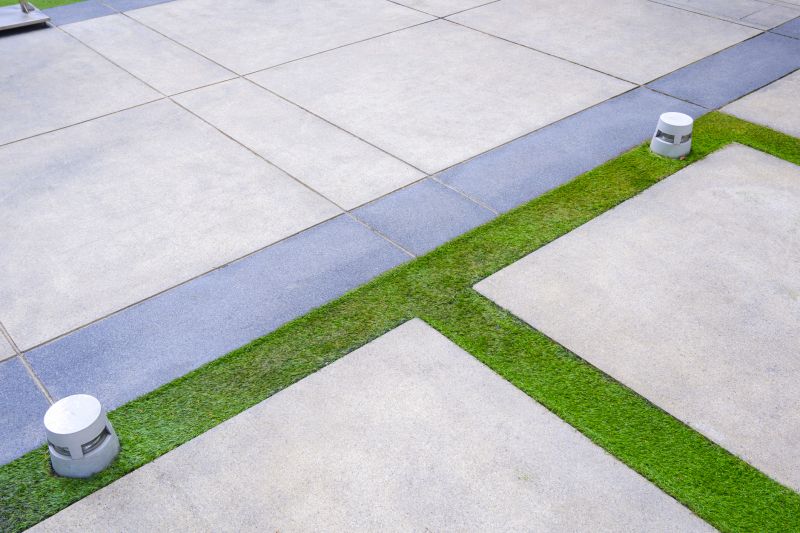
Ways to make Concrete Installations work in tight or awkward layouts.
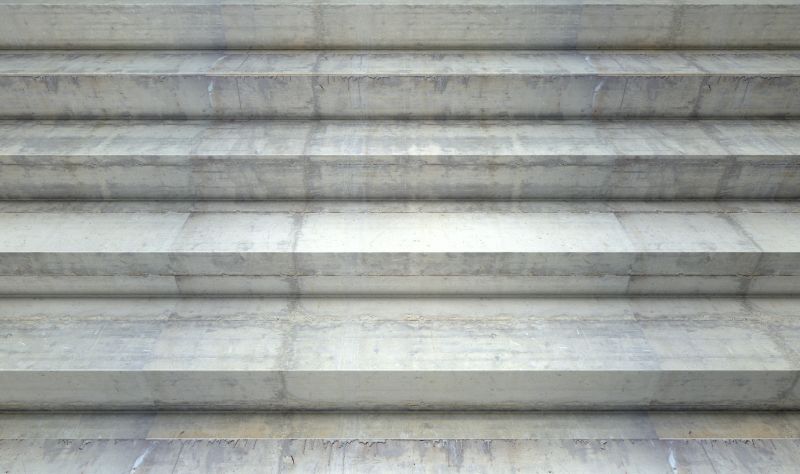
Popular materials for Concrete Installations and why they hold up over time.
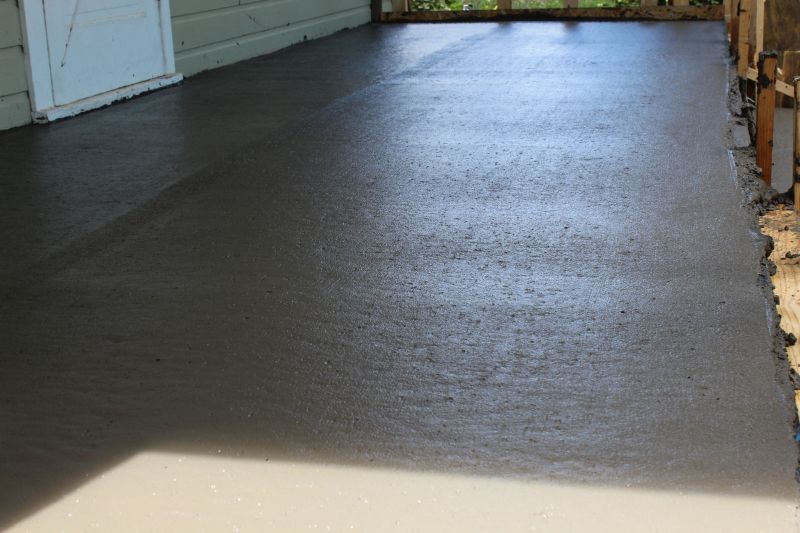
Simple add-ons that improve Concrete Installations without blowing the budget.
| Season | Ideal Conditions |
|---|---|
| Spring | Moderate temperatures, low precipitation |
| Summer | Warm weather, requires proper curing |
| Fall | Cool temperatures, minimal rain |
| Winter | Cold, freezing temperatures, challenging |
Concrete installations require careful timing to ensure strength and longevity. Weather plays a crucial role in the curing process, which involves chemical reactions that harden the mixture. Proper timing minimizes the risk of surface cracks, scaling, or delayed setting, leading to a durable finished product.
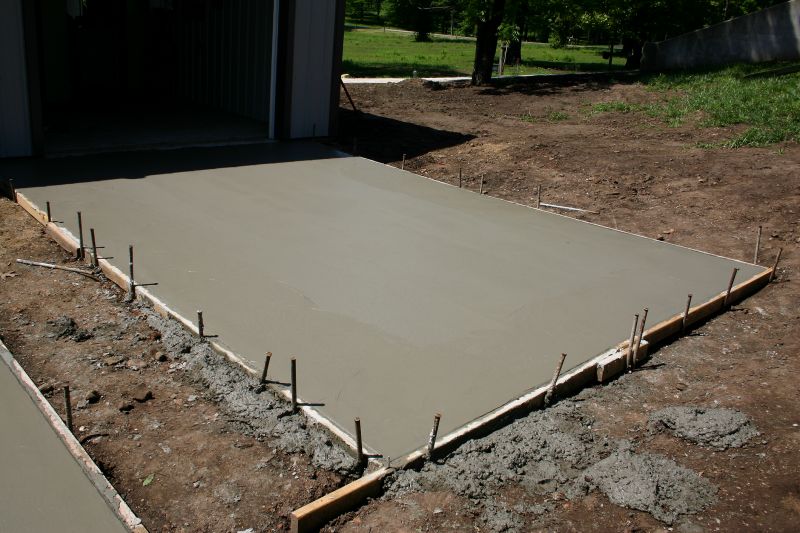
High-end options that actually feel worth it for Concrete Installations.
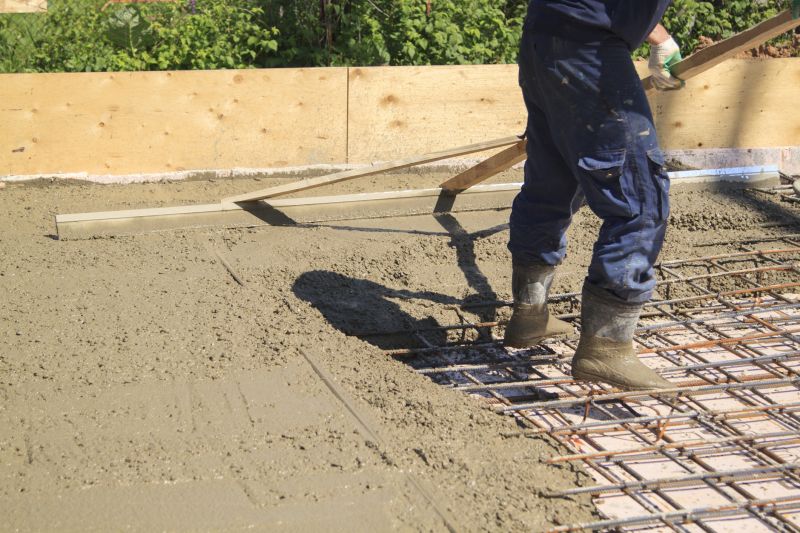
Finishes and colors that play nicely with Concrete Installations.
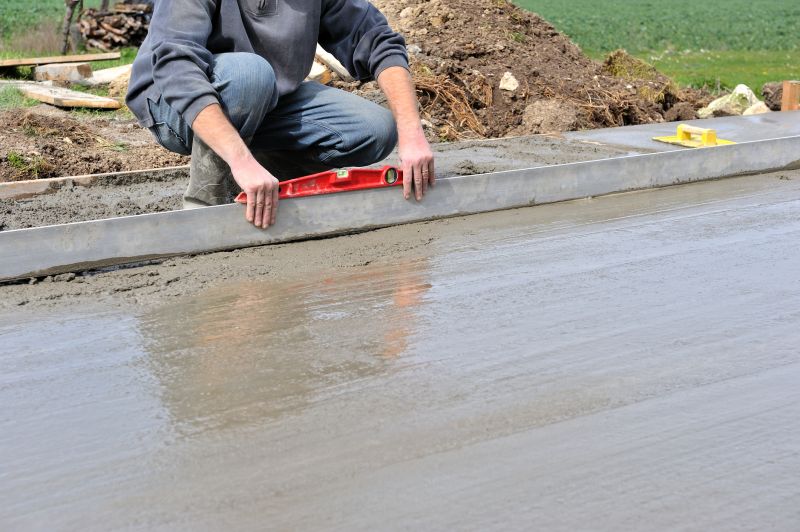
Little measurements that prevent headaches on Concrete Installations day.
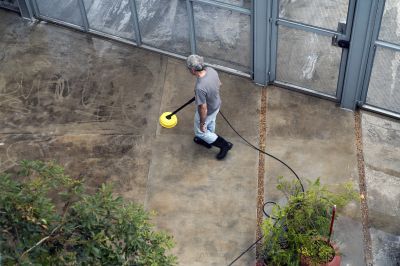
A 60-second routine that keeps Concrete Installations looking new.
Choosing the right time for concrete installation can significantly impact the project's success. Proper planning around seasonal weather patterns ensures the concrete cures correctly, achieving the desired strength and durability. Consulting with experienced professionals can help determine the optimal timing based on local climate conditions.
Adequate curing preserves moisture and temperature, preventing cracks and ensuring strength.
Schedule installations during seasons with stable weather to minimize delays and issues.
Experts can advise on the best timing based on local climate and project specifics.
Continuous weather tracking helps in adjusting schedules for optimal results.